Skip to content
FLOWFORGEPLUMBING LTD Start an enquiry ↗
Plumbing enquiry guide

Follow the water, then tell us what you can see

Most plumbing enquiries start with a fixture that is not behaving. This guide follows the water from supply to waste so you can say where the issue sits and what is already in place.

Describe your plumbing job ↗
FLOWFORGE / WATER PATH01 — 05 · Illustrative schematic
The water path, from supply to wasteSupply enters on the left, passes a stop valve and branches up to a tap. Used water leaves the basin through the waste pipe on the right. 01 / Supply 02 / Stop valve 03 / Branch 04 / Fixture 05 / Waste
Trace the connection

Where in the system is the issue?

Water reaches a fixture along a path: supply, stop valve, a branch pipe, the fixture itself, then waste. Tap each part of the pipe run above to see what is useful to mention about it.

You do not need the technical names. A short description of where you noticed the problem is enough to start.

  • Say which part you think is affected, or that you are unsure.
  • Note when it happens: all the time, only when used, or only at certain times.
  • Add a photo of the pipes or fixture if you can reach them safely.
Part 01 / What to tell us

Supply

The supply is the pipe that brings water to the fixture. Problems here often show as low flow, no water or a pipe that is wet or noisy.

  • Which fixtures are affected: one, several or the whole property.
  • Whether hot, cold or both are affected.
  • Where the pipe is visible and what it is made of, if you can tell.
Ask about supply ↗
Part 02 / What to tell us

Stop valve

A stop valve lets the water to a fixture or area be turned off. Knowing where it is and whether it works helps with any job.

  • Where the valve is, for example under the sink or near the meter.
  • Whether it turns freely or is stuck.
  • Whether it fully stops the flow when closed.
Ask about stop valve ↗
Part 03 / What to tell us

Branch pipe

The branch is the short run of pipe that leads from the supply to a particular fixture. Joints and bends here are common places to look.

  • Where the branch runs and whether it can be seen.
  • Whether any joint is damp, stained or dripping.
  • Whether the pipe is boxed in, under flooring or behind tiles.
Ask about branch pipe ↗
Part 04 / What to tell us

Fixture

The fixture is the tap, toilet, shower, basin or appliance connection you actually use. Its type and condition shape what the job involves.

  • The kind of fixture and its approximate age.
  • Make or model if it is printed on it or the paperwork.
  • Whether you plan to keep it, replace it or add a new one.
Ask about fixture ↗
Part 05 / What to tell us

Waste

Waste carries used water away from the fixture. Slow draining, smells or gurgling can point to this end of the system.

  • Whether water drains slowly, not at all or makes noise.
  • Whether the issue affects one fixture or several.
  • Where the waste pipe leaves the fixture, if visible.
Ask about waste ↗
Keep · change · add

Repair, replacement or new installation?

A repair keeps what is there and fixes a fault. A replacement swaps an existing fixture or pipe for another. A new installation adds something that was not there before.

Tell us which of the three is closest to your situation. FLOWFORGE PLUMBING LTD will confirm whether it can take the job on once it has your details.

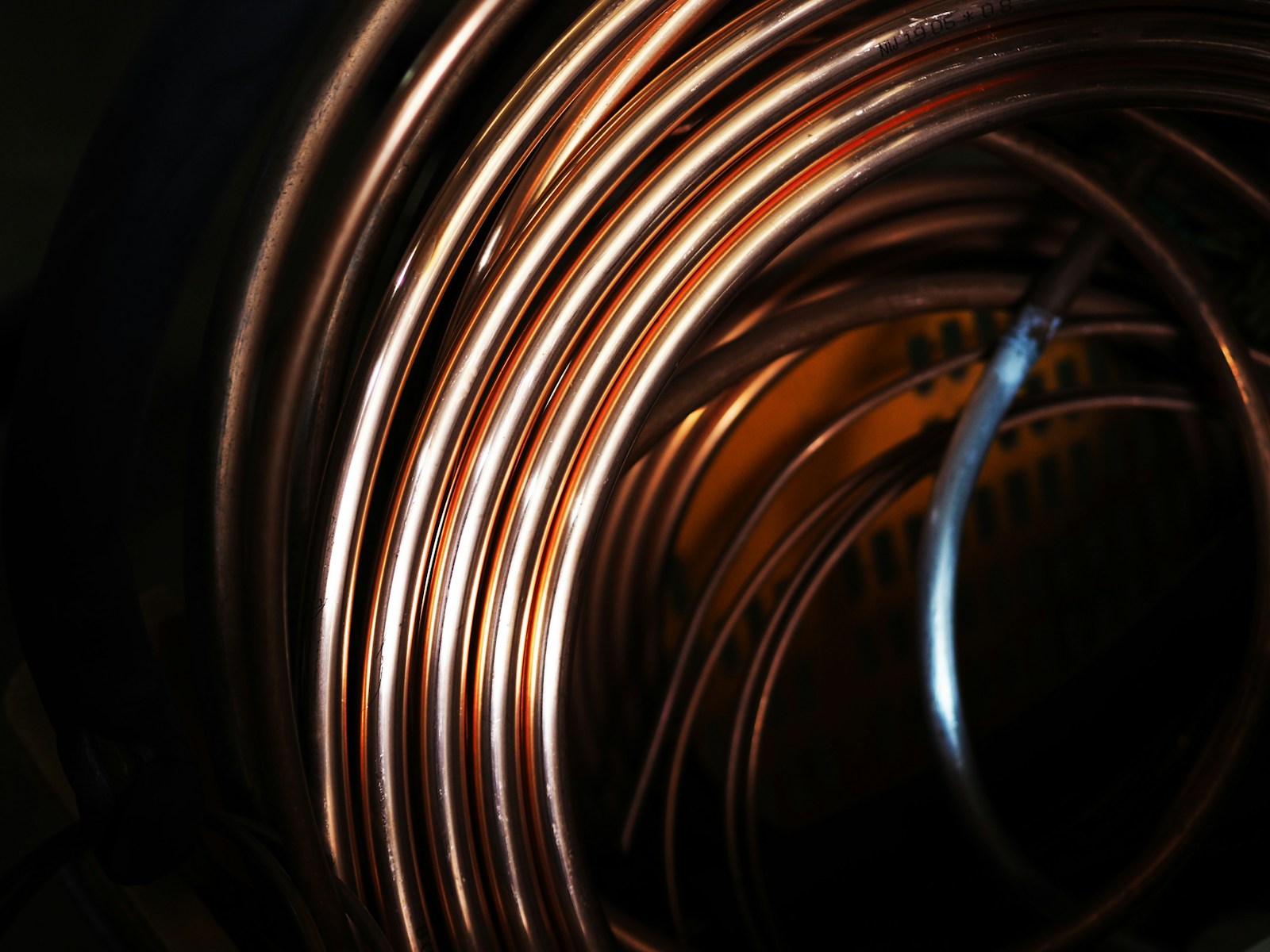
Warm-lit copper tube coils
Copper tube coils · illustrative materials context
01

Repair

Repair: what is wrong, where, and since when.

02

Replacement

Replacement: what is being removed and what you plan to put in.

03

New installation

New installation: where it should go and where the nearest pipes are.

Look at what is there

What do you know about what is already there?

Details about the existing set-up save back-and-forth. Share what you can observe; there is no need to diagnose anything yourself.

  1. The type of fixture, such as a basin, sink, toilet, shower or washing machine connection.
  2. Its approximate age, if you know it.
  3. Where the pipes run and whether they are visible, boxed in or under a floor.
  4. Whether you can reach the stop valve and whether it turns.
  5. Photos of the fixture, the pipes beneath it and any marks or staining.

Carry these details to the enquiry builder.

Use this note

Where to go next

If water is escaping, the leaks page covers what to record. For bathrooms and kitchens, the rooms page separates like-for-like swaps from changed connections.

When you are ready, the enquiry builder turns your answers into a note you can send by email.

From the first detail to the next step

Put your plumbing details into one note

Use the enquiry builder to describe the job, the fixtures and the pipework, then send it to the company by email to confirm whether it can help.

Build your enquiry Or email directly ↗